
10 Employee Recognition Program Examples That Work in 2025
Dusan Milovanovic
In today's competitive landscape, attracting and retaining top talent requires more than just a compelling salary. Employees are actively seeking a workplace culture where their contributions are seen, valued, and genuinely celebrated. This is where a well-structured employee recognition program becomes a strategic imperative, not just a 'nice-to-have' HR initiative. Acknowledging effort and achievement fuels motivation, strengthens team bonds, and directly impacts your bottom line by reducing turnover and increasing productivity. But where do you start?
Table of Contents
- 1. Peer-to-Peer Recognition Programs
- 2. Spot Bonus Programs
- 3. Employee of the Month/Quarter/Year Awards
- 4. Performance-Based Incentive Programs
- 5. Professional Development and Learning Opportunities
- 6. Public Recognition and Celebration Events
- 7. Flexible Work Arrangements and Time-Off Recognition
- 8. Health, Wellness, and Lifestyle Benefit Recognition
- 9. Milestone and Tenure-Based Recognition Programs
- 10. Social Recognition and Internal Communication Platforms
- Comparison of 10 Employee Recognition Programs
- Putting Recognition into Action: Your Next Steps
This guide moves beyond generic advice to provide a comprehensive breakdown of 10 distinct, actionable employee recognition program examples. We will deconstruct the strategy behind each one, offering practical implementation tips specifically designed for platforms like Slack (using tools like AsanteBot), and explain how to foster a genuine culture of appreciation that resonates with your team. This goes beyond simply managing tasks; it’s about inspiring loyalty and high performance. For leaders aspiring to cultivate an environment where recognition thrives, understanding the principles of great management is crucial; exploring topics like how to be the boss everyone wants to work for can provide a foundational advantage.
We will also dive deep into the critical importance of team recognition, showcasing how collective celebration amplifies individual impact and builds an unstoppable, collaborative force. You will leave with a clear roadmap to not only implement effective programs but also measure their success and integrate them seamlessly into your daily workflow, transforming appreciation from a periodic event into a core part of your company's DNA.
1. Peer-to-Peer Recognition Programs
Peer-to-peer recognition programs democratize appreciation, shifting the responsibility from a top-down, manager-led model to a more organic, collaborative system. Instead of waiting for formal reviews, any employee can publicly or privately acknowledge a colleague's contributions, creating a continuous cycle of positive reinforcement. This approach is a powerful tool for building a strong company culture, as it empowers team members to celebrate the everyday wins and collaborative efforts that often go unnoticed by leadership.
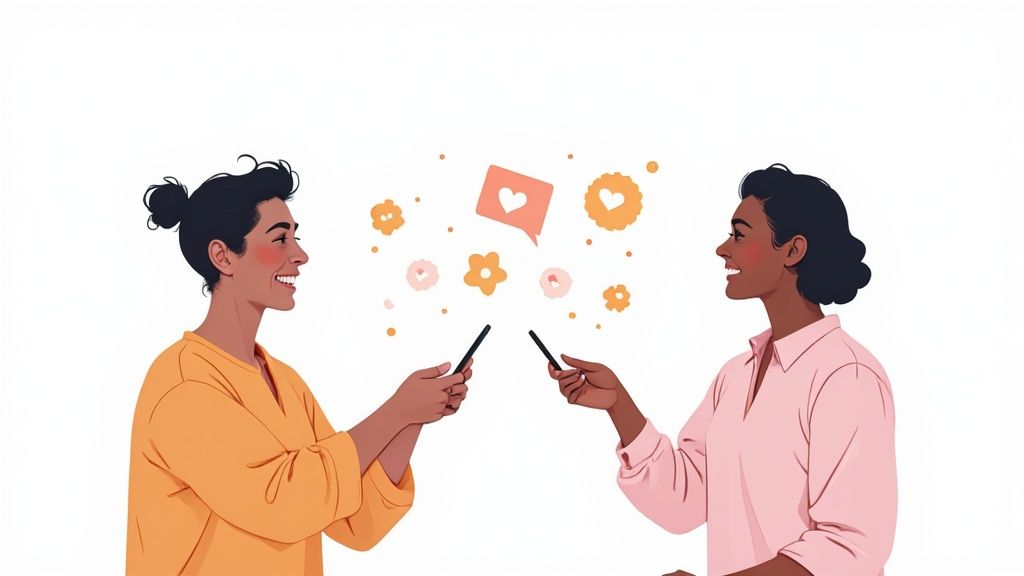
This type of employee recognition program is particularly effective because it fosters psychological safety and strengthens team bonds. When colleagues feel seen and valued by their peers, it enhances morale, improves cross-functional collaboration, and boosts overall engagement. A great practical example is Google's peer bonus system, where any employee can award a small bonus to a coworker who has been especially helpful, directly empowering the team to reward collaborative behavior.
Strategic Breakdown
- Objective: To cultivate a culture of gratitude and mutual respect by enabling recognition to flow in all directions across the organization.
- Best For: Companies of all sizes, especially remote or hybrid teams looking to strengthen connections and reinforce company values organically.
- Key Benefit: Increases the frequency and authenticity of recognition, as peers are often in the best position to witness and appreciate day-to-day contributions.
Strategic Insight: Peer recognition is not just about saying "thank you." It's a mechanism for reinforcing desired behaviors. When an employee is recognized for excellent cross-departmental support, it signals to the entire organization that this is a valued behavior.
Actionable Implementation in Slack
Implementing a peer-to-peer system directly within Slack makes it an accessible and seamless part of daily workflow.
- Create a Dedicated Channel: Designate a public channel like
#kudosor#shoutoutsfor all recognition messages. This creates a public feed of positivity. - Establish Clear Guidelines: In the channel's pinned post, outline the "how" and "why." Encourage specific examples, such as mentioning the company value the person demonstrated.
- Use an Automation Tool: Leverage an app like AsanteBot to structure and track recognition. You can set up slash commands (e.g.,
/kudos @username for [reason]) that format the message and log the data for later analysis or rewards. - Promote and Model Behavior: Managers and team leads should be the first and most frequent users of the channel. Regularly highlighting exceptional shoutouts in team meetings reinforces its importance.
2. Spot Bonus Programs
Spot bonus programs provide immediate, tangible rewards for exceptional performance that goes above and beyond standard job expectations. Unlike annual bonuses tied to company-wide performance, these are spontaneous, monetary awards given "on the spot" to acknowledge a specific achievement, such as closing a major deal, launching a difficult project, or solving a critical problem. This direct financial recognition powerfully reinforces the value of an employee's contribution in a concrete and timely manner.
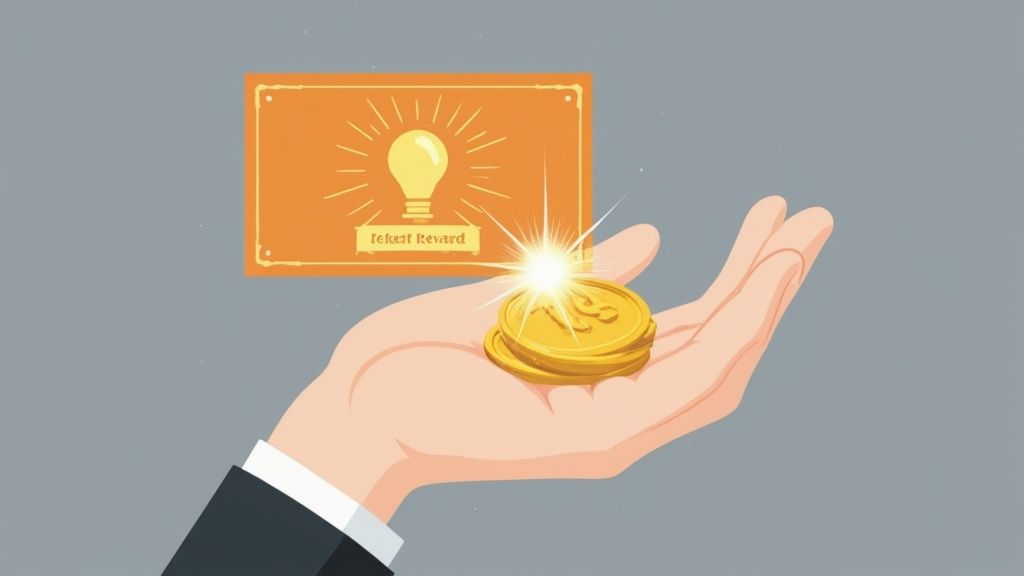
This type of employee recognition program is highly effective because it creates a direct link between outstanding work and a tangible reward, motivating high performance and signaling what behaviors the company values most. A practical example is a software company where a manager can immediately award a $250 spot bonus to an engineer who works overnight to fix a critical server outage, preventing customer downtime. This immediacy makes the reward incredibly impactful.
Strategic Breakdown
- Objective: To immediately reward and reinforce exceptional contributions that align with company goals, driving a culture of high performance and accountability.
- Best For: Sales-driven organizations, project-based teams, and companies looking to incentivize specific, measurable outcomes or extraordinary efforts.
- Key Benefit: Provides a powerful, immediate motivator that directly links a specific, positive behavior with a financial reward, making recognition feel significant and impactful.
Strategic Insight: A well-managed spot bonus program must be transparent to be effective. The criteria for earning a bonus should be clear, and the reasons for awarding it should be communicated publicly to inspire others and prevent perceptions of favoritism.
Actionable Implementation in Slack
Integrating spot bonus approvals and announcements into Slack makes the process transparent, efficient, and celebratory.
- Create a Private Admin Channel: Use a private channel like
#spot-bonus-approvalsfor managers to nominate employees. This allows for confidential discussion and approval workflows. - Use a Simple Nomination Form: Pin a link to a simple form (Google Forms, Asana, etc.) where managers can submit a nomination with the employee's name, the specific achievement, the company value demonstrated, and the suggested bonus amount.
- Announce Publicly: Once approved, announce the award in a public channel like
#winsor#company-announcements. Tag the recipient and their manager, and clearly state what they did to earn the recognition. - Automate Notifications with a Bot: Use a tool like AsanteBot to trigger an automated, celebratory message in the public channel once a bonus is approved in the private channel, ensuring timely and consistent public acknowledgment.
3. Employee of the Month/Quarter/Year Awards
The Employee of the Month/Quarter/Year award is one of the most traditional and structured forms of employee recognition program examples. This top-down approach formally acknowledges an individual's outstanding performance or contributions over a specific period. It serves as a powerful motivator by setting a clear standard for excellence and publicly celebrating those who meet or exceed it. By spotlighting top performers, companies create role models and reinforce the specific behaviors and outcomes they value most.
While classic, this program remains effective because it provides a tangible goal for employees to strive toward. The public ceremony or announcement associated with the award elevates the winner's status and broadcasts a clear message about what constitutes success within the organization. A practical example would be a hotel chain awarding "Employee of the Quarter" to a front-desk associate who consistently receives the highest customer satisfaction scores, rewarding them with a plaque, a premium parking spot, and a weekend stay at any of their properties.
Strategic Breakdown
- Objective: To formally recognize and reward exceptional, sustained performance and create clear role models for success within the organization.
- Best For: Companies aiming to establish high-performance benchmarks and motivate employees with a prestigious, competitive, and publicly celebrated award.
- Key Benefit: Provides a structured, high-visibility platform for celebrating excellence, which can significantly boost the recipient's morale and inspire their colleagues.
Strategic Insight: To avoid perceptions of favoritism, base these awards on transparent, data-driven criteria. Incorporate a peer nomination or voting component to ensure the selection process is viewed as fair and representative of the team's perspective.
Actionable Implementation in Slack
Modernizing this traditional award within Slack makes the process more inclusive, transparent, and engaging for the entire team.
- Create a Nomination Channel: Set up a dedicated channel like
#award-nominationswhere team members can formally submit nominations. Use a pinned post to detail the criteria and deadlines. - Use a Workflow or Form: Utilize Slack's Workflow Builder or a tool like AsanteBot to create a simple nomination form. This standardizes submissions, ensuring each nominee is evaluated against the same criteria (e.g., "Demonstrated Company Value," "Project Impact").
- Announce Winners Publicly: Create a well-designed graphic and share the announcement in a company-wide channel like
#announcements. Tag the winner and their manager, and share a brief story about their specific accomplishments that led to the award. - Create an Alumni Channel: Establish a private channel for all past award winners, like
#winners-circle. This can be used to share exclusive updates or seek feedback from your top performers, creating a prestigious community.
4. Performance-Based Incentive Programs
Performance-based incentive programs directly link tangible rewards to the achievement of specific, measurable business goals. Unlike more subjective forms of appreciation, these programs are data-driven, creating a clear and transparent connection between an employee's output and their rewards. This approach aligns individual and team efforts with overarching company objectives, such as sales targets, project milestones, or customer satisfaction scores, making it a powerful motivator for goal-oriented roles.
This type of employee recognition program is highly effective because it provides a clear roadmap for success and quantifies what high performance looks like. A practical example is a sales team where individuals earn a 10% commission on all sales, but the entire team earns an additional 5% bonus on all revenue if they collectively exceed the quarterly target. This structure incentivizes both individual effort and crucial team collaboration.
Strategic Breakdown
- Objective: To motivate employees to meet or exceed specific business targets by offering rewards tied directly to measurable performance metrics and key performance indicators (KPIs).
- Best For: Sales teams, product development squads, customer support units, and any department where performance can be quantified with clear metrics.
- Key Benefit: Creates a strong sense of ownership and accountability, as employees can directly influence their earning potential and recognition through their performance.
Strategic Insight: The key to a successful performance-based program is transparency. Employees must have real-time visibility into their progress against goals. Using dashboards and regular automated updates prevents confusion and ensures the incentive remains a top-of-mind motivator, not an end-of-quarter surprise.
Actionable Implementation in Slack
Integrating performance tracking and reward announcements into Slack makes the process visible and engaging.
- Automate Goal Updates: Connect your business intelligence tool (like Looker or Tableau) or CRM (like Salesforce) to a dedicated Slack channel (e.g.,
#sales-winsor#dev-milestones). Set up automated messages to post updates when key targets are hit. - Establish Clear Thresholds: In a pinned message, clearly define the KPIs, targets, and corresponding rewards. For example: "Achieve 110% of your quarterly sales quota and receive a $500 bonus."
- Celebrate Wins Publicly: Use an app like AsanteBot to create a slash command (e.g.,
/goal-achieved @username for hitting 150% of their target!) that announces the achievement publicly. This combines the performance incentive with social recognition. - Balance Team and Individual Metrics: While individual goals are crucial, create team-based incentives to foster collaboration. Announce when a team collectively achieves a goal, reinforcing that shared success is also valued and rewarded.
5. Professional Development and Learning Opportunities
Investing in an employee's growth is one of the most powerful forms of recognition, demonstrating a long-term commitment to their career and personal development. These programs go beyond immediate rewards, offering opportunities for skill enhancement, certifications, or conference attendance. A practical example is rewarding a top-performing marketing specialist by sponsoring their attendance at a leading industry conference like INBOUND, or paying for an advanced digital marketing certification course.
This type of employee recognition program directly addresses the growing demand for career progression and upskilling. It serves as a powerful retention tool, as employees are more likely to stay with an organization that actively invests in their future, making it a strategic win for both the individual and the company.
Strategic Breakdown
- Objective: To recognize high performance by investing in an employee's career growth, boosting skills, and improving retention.
- Best For: Organizations focused on building a talent pipeline, retaining top performers, and adapting to industry changes through continuous learning.
- Key Benefit: Directly links recognition to tangible career advancement, increasing employee loyalty and equipping the workforce with valuable new skills.
Strategic Insight: Professional development as a reward shifts the focus from a transactional gift to a transformational investment. It tells an employee, "We believe in your potential and are willing to invest in your future with us."
Actionable Implementation in Slack
While the full program lives outside Slack, you can use the platform to manage nominations, announcements, and track progress, making the opportunity feel integrated and celebrated.
- Create a Nomination Channel: Use a private channel like
#dev-opportunitiesfor managers to nominate team members who have exceeded performance goals for specific learning rewards. - Use a Workflow for Nominations: Build a Slack Workflow or use an app to create a simple form. Managers can trigger it with a command like
/nominate-learningand fill out the employee's name, their achievement, and the proposed development opportunity. - Announce Winners Publicly: Celebrate recipients in a company-wide channel like
#announcements. Share what they achieved and the exciting opportunity they've earned, linking their success to company values. - Create a Follow-Up Loop: After the employee completes their training or conference, encourage them to share key takeaways in a team channel or a company-wide "lunch and learn," amplifying the value of the investment.
6. Public Recognition and Celebration Events
Public recognition and celebration events elevate appreciation from a daily practice to a milestone moment. These are formal ceremonies, all-hands meetings, or dedicated events where organizations publicly celebrate employee achievements. This type of formal acknowledgment creates memorable experiences, powerfully reinforces company values, and provides significant social recognition that satisfies employees' psychological needs for status and belonging.

Unlike more frequent, informal methods, these events serve as high-impact platforms for storytelling. A practical example is an annual awards gala where the engineering team that launched a game-changing product is brought on stage. The CEO publicly tells the story of their challenges and successes, then presents them with a team trophy and a shared experiential reward, like a weekend trip. This act solidifies their achievement in company lore and inspires other teams.
Strategic Breakdown
- Objective: To create high-visibility, memorable moments of recognition that celebrate significant achievements, reinforce company culture, and inspire the entire workforce.
- Best For: Celebrating major milestones, project completions, annual performance awards, or significant team accomplishments that warrant company-wide attention.
- Key Benefit: Boosts morale on a large scale and provides a powerful forum for leadership to publicly endorse and model the company’s core values through real-world examples.
Strategic Insight: The power of a public event lies in its "ripple effect." While one person is being recognized, dozens or hundreds of others are being motivated. The key is to focus on the story behind the achievement, detailing the challenges overcome and the impact created.
Actionable Implementation in Slack
Use Slack to build anticipation for, execute, and extend the life of your public recognition events.
- Create a Buzz Channel: Designate a temporary channel like
#annual-awards-2024to announce nominees, share behind-the-scenes preparations, and build excitement. - Live-Stream and Engage: For virtual or hybrid events, use Slack's huddle or a Zoom integration to stream the ceremony. Encourage a live-chat in the channel where team members can post congratulatory messages and emojis.
- Amplify with Automation: Use a tool like AsanteBot to send a company-wide announcement summarizing the winners and their achievements after the event concludes. You can schedule this message to ensure maximum visibility. For more inspiration, explore these office celebration ideas from asantebot.com.
- Create a Digital "Trophy Case": Pin a post in a company-wide channel like
#announcementswith a list of the award winners and links to recordings or photos from the event. This creates a lasting record of the recognition.
7. Flexible Work Arrangements and Time-Off Recognition
This powerful form of non-monetary recognition rewards high performers with what modern employees often value most: autonomy and work-life balance. Instead of a cash bonus, this approach offers tangible rewards like additional vacation days, flexible schedules, remote work options, or even sabbaticals. It acknowledges that time and flexibility are premium commodities, making it a highly desirable incentive for sustained excellence and loyalty.
This type of employee recognition program directly addresses burnout and promotes employee well-being. A practical example is a company offering employees who have five years of continuous service a four-week paid sabbatical. Another example is rewarding a team that completes a project ahead of schedule with "Flex Fridays" (half-days) for the following month. These rewards show trust and respect for employees' lives outside of work.
Strategic Breakdown
- Objective: To reward exceptional performance and long-term commitment with high-value, non-monetary perks that enhance work-life balance and employee autonomy.
- Best For: Organizations with established performance metrics looking to offer meaningful rewards beyond salary, particularly those with a culture that values well-being.
- Key Benefit: Acts as a powerful retention tool by offering highly coveted lifestyle benefits that competitors may not provide, directly combating employee burnout.
Strategic Insight: Flexibility as a reward is a statement of trust. Granting an employee extra time off or control over their schedule signals that the organization values their results and trusts them to manage their responsibilities effectively, strengthening the psychological contract.
Actionable Implementation in Slack
While the reward itself exists outside of Slack, the platform is crucial for announcing, managing, and celebrating these perks transparently.
- Create a Policy Channel: Use a channel like
#workplace-policiesto house the official documentation for how employees can earn flexible arrangements or extra time off. - Publicly Announce Winners: Celebrate employees who earn these rewards in a company-wide channel like
#announcements. Frame it as a celebration of their hard work, e.g., "Huge congratulations to @username for earning an extra week of PTO for their incredible work on Project Phoenix!" - Manage with a Workflow: Use Slack's Workflow Builder to create a simple form for managers to nominate employees for time-based rewards. This can route requests to HR for approval, creating a documented and fair process.
- Encourage Sharing: When an employee returns from a sabbatical or extra vacation, encourage them to share a photo or a brief story in a social channel like
#watercoolerto make the reward feel more tangible and aspirational for others.
8. Health, Wellness, and Lifestyle Benefit Recognition
Health, wellness, and lifestyle benefit recognition shifts the focus of appreciation from traditional monetary rewards to an investment in an employee’s holistic well-being. Instead of a one-time bonus, this approach rewards consistent high performance or significant achievements with tangible benefits like gym memberships, mental health app subscriptions, or wellness coaching. This type of program sends a powerful message that the company values its employees as people, not just as workers.
As one of the most impactful employee recognition program examples, this model directly combats burnout and fosters long-term loyalty. A practical example could be a points-based system where employees earn "wellness points" for peer kudos or meeting goals. These points can then be redeemed for a subscription to a meditation app like Calm, a ClassPass membership, or sessions with a financial wellness coach.
Strategic Breakdown
- Objective: To recognize employee contributions by investing in their personal health and well-being, thereby reducing stress, preventing burnout, and improving overall quality of life.
- Best For: Organizations aiming to build a sustainable, high-performance culture where employee well-being is a core value, especially in high-stress industries.
- Key Benefit: Boosts employee loyalty and reduces turnover by showing a genuine, long-term commitment to individual health beyond the immediate work context.
Strategic Insight: Wellness benefits are a form of preventative recognition. By investing in an employee's health, you are proactively addressing potential burnout and disengagement, which ultimately protects both the individual and the organization's productivity.
Actionable Implementation in Slack
Integrate wellness recognition into your existing workflow to make it visible and impactful.
- Launch a Wellness Challenge: Create a channel like
#wellness-winsfor a company-wide step challenge or mindfulness minutes contest. - Automate Milestone Recognition: Use a tool like AsanteBot to automatically celebrate when individuals or teams hit specific wellness goals. For example, a bot can post:
Congratulations @username for hitting your 10,000-step goal for 10 days straight! 🎉 You've unlocked a ClassPass credit. - Offer a Wellness Rewards Catalog: Tie recognition points earned in other programs (like peer-to-peer kudos) to a catalog of wellness rewards. Employees can redeem points for subscriptions to apps like Headspace or Calm, a spa gift card, or a healthy meal kit delivery.
- Promote and Share Stories: Encourage employees to share how they used their wellness benefits in the channel. This creates social proof and inspires others to participate, reinforcing the company's commitment to well-being.
9. Milestone and Tenure-Based Recognition Programs
Milestone and tenure-based recognition programs are structured to celebrate employee loyalty and significant career achievements. These initiatives formally acknowledge service anniversaries (e.g., one, five, ten years) and other key milestones, such as promotions or project completions, reinforcing the value of long-term commitment and organizational knowledge. By marking these important moments, companies demonstrate that they value the journey and dedication of their team members, not just short-term wins.
This type of employee recognition program is crucial for retention and morale. A practical example of a modern approach is offering a tiered gift catalog: at one year, an employee chooses from company-branded apparel; at five years, they can select a tech gadget like AirPods; at ten years, they might receive a travel voucher or a donation to a charity of their choice. This personalizes the recognition and makes it more meaningful.
Strategic Breakdown
- Objective: To honor employee loyalty and significant career milestones, reduce turnover, and reinforce the value of experience and institutional knowledge.
- Best For: Established companies looking to boost retention, as well as growing organizations aiming to build a culture that values long-term commitment from the start.
- Key Benefit: Provides a predictable and structured way to make employees feel valued, boosting morale and creating a strong sense of belonging and stability.
Strategic Insight: Milestone recognition should be more than a generic email. The impact is magnified when the celebration is personalized and involves public acknowledgment from leaders and peers, transforming a simple anniversary into a meaningful career event.
Actionable Implementation in Slack
Automating milestone recognition in Slack ensures no anniversary is missed and makes the celebration a shared, public experience.
- Integrate with HRIS: Connect a tool like AsanteBot to your HR Information System (e.g., BambooHR, Workday) to automatically pull employee start dates.
- Configure Automated Alerts: Set up automated messages to be posted in a public channel like
#celebrationson an employee's work anniversary. The message should tag the employee, their manager, and congratulate them. - Encourage Team Participation: The automated post should serve as a trigger for the team to join in. Encourage colleagues to reply in the thread with well-wishes, memories, or notes of appreciation.
- Involve Leadership: Ensure managers are notified beforehand so they can add a personal note to the public post or reach out directly. A message from a leader significantly amplifies the recognition's impact.
10. Social Recognition and Internal Communication Platforms
Social recognition platforms transform employee appreciation into a dynamic, visible, and continuous activity, much like a corporate social network. These digital tools allow for instant recognition through posts, likes, comments, and digital badges, creating a persistent, public feed of positive achievements. This approach makes recognition an integral part of daily communication, ensuring that contributions are seen and celebrated by the entire organization in real-time.
This style of employee recognition program examples excels at building a connected and engaged community, especially in remote or hybrid settings. A practical example is a company using a Slack app where anyone can give a "kudos" tied to a company value. These kudos appear in a public channel, and employees accumulate points that can be redeemed for rewards. This creates a real-time, gamified feed of positive reinforcement visible to everyone.
Strategic Breakdown
- Objective: To embed recognition into daily workflows and communications, creating a highly visible, persistent, and engaging culture of appreciation.
- Best For: Fast-paced, tech-savvy companies and distributed teams that want to centralize recognition and make it a core part of their digital employee experience.
- Key Benefit: Amplifies the impact of recognition by making it public and interactive, which encourages more frequent participation and reinforces positive behaviors across the company.
Strategic Insight: A social recognition feed acts as a living document of your company's culture in action. When new hires onboard, they can immediately see what behaviors are valued, who the key collaborators are, and how the team celebrates success.
Actionable Implementation in Slack
Integrating a social recognition system into Slack centralizes appreciation within the primary communication hub, maximizing visibility and participation.
- Select an Integrated App: Choose a tool designed for social recognition that integrates seamlessly with Slack. Researching the best Slack apps for employee engagement can help you find one with features like leaderboards, points, and reward catalogs.
- Define Recognition Categories: Create specific categories or hashtags tied to company values (e.g.,
#customer-obsession,#innovate-and-simplify). This structures recognition and provides valuable data on which values are being demonstrated most often. - Launch with a Campaign: Kick off the program with a launch campaign to generate excitement. Use All-Hands meetings and manager announcements to explain how the platform works and encourage initial participation.
- Showcase Top Performers: Regularly highlight top givers and receivers of recognition in a company-wide channel or newsletter. This gamification element encourages consistent engagement and celebrates those who actively build up their colleagues.
Comparison of 10 Employee Recognition Programs
| Program | 🔄 Implementation Complexity | ⚡ Resource & Cost | 📊 Expected Impact (⭐) | 💡 Ideal Use Cases | ⭐ Key Advantages |
|---|---|---|---|---|---|
| Peer-to-Peer Recognition Programs | Medium — platform + cultural adoption | Medium — platform fees, admin time | High (⭐⭐⭐) — improves engagement & retention | 💡 Continuous peer appreciation; remote or cross-functional teams | Authentic recognition; reduces manager burden; cross-team visibility |
| Spot Bonus Programs | Low — simple policy and approval flow | High — direct monetary budget required | Medium-High (⭐⭐) — immediate motivation, short-term effect | 💡 One-off exceptional achievement, sales wins | Immediate tangible reward; clear and motivating |
| Employee of the Month/Quarter/Year Awards | Low — formal but repeatable process | Low-Medium — administrative and perk costs | Medium (⭐⭐) — visible recognition but infrequent | 💡 Periodic standout recognition; fostering pride/tradition | Highly visible; easy to understand; signals excellence |
| Performance-Based Incentive Programs | High — metrics design, tracking systems | Medium-High — tracking tools and payouts | High (⭐⭐⭐) — aligns behaviors to strategic goals | 💡 Measurable roles (sales, KPIs); strategic alignment | Objective linkage of performance to rewards; scalable |
| Professional Development & Learning Opportunities | Medium — program design and vendor coordination | High — training, conference, tuition costs | High (⭐⭐⭐) — long-term capability and retention gains | 💡 Succession planning; high-potential development | Builds skills; long-term ROI; improves retention |
| Public Recognition & Celebration Events | Medium — event planning and coordination | Medium-High — event costs, time investment | Medium (⭐⭐) — memorable, culturally reinforcing | 💡 Milestones, annual awards, PR moments | Creates memorable moments; strengthens community and culture |
| Flexible Work Arrangements & Time-Off Recognition | Medium — policy, manager training, coverage plans | Low-Medium — low direct cost, managerial effort | High (⭐⭐⭐) — strong retention and satisfaction | 💡 Roles suited to remote/flexible delivery; work-life focus | Highly valued by employees; increases autonomy and retention |
| Health, Wellness & Lifestyle Benefit Recognition | Medium — vendor programs and ongoing management | Medium-High — recurring program expenses | Medium-High (⭐⭐) — improves wellbeing, reduces absenteeism | 💡 High-stress roles; organizations prioritizing wellbeing | Demonstrates care; lowers healthcare costs; boosts morale |
| Milestone & Tenure-Based Recognition Programs | Low — automatable anniversary workflows | Low-Medium — gifts, admin, scaled costs over time | Low-Medium (⭐⭐) — reinforces loyalty, symbolic value | 💡 Long-tenured workforces; cultural tradition | Easy to automate; reinforces loyalty and belonging |
| Social Recognition & Internal Communication Platforms | Medium — platform setup and moderation | Medium — subscription + integration effort | High (⭐⭐⭐) — continuous visibility and culture building | 💡 Distributed teams; companies wanting ongoing recognition | Continuous recognition feed; engagement analytics; scalable |
Putting Recognition into Action: Your Next Steps
We've journeyed through a comprehensive collection of employee recognition program examples, from the immediate impact of peer-to-peer shoutouts in Slack to the long-term motivation driven by professional development opportunities. The central theme connecting these diverse strategies is clear: recognition is not a monolithic, one-size-fits-all solution. Instead, the most powerful and resonant programs are a dynamic blend, thoughtfully tailored to reflect your company's unique culture, core values, and the specific motivations of your team members. The importance of team recognition is paramount; it acts as the essential glue that binds teams, strengthens collaboration, and builds a resilient, highly engaged workforce. Recognizing a team for collectively launching a product on time, for instance, reinforces the collaborative behaviors needed for future success far more than just celebrating one individual might.
The crucial next step is transforming these ideas into tangible action. The most successful initiatives meet employees where they are, embedding appreciation into their daily workflow. For modern teams, that place is overwhelmingly Slack. By integrating a recognition tool directly into this communication hub, you dismantle barriers and make gratitude a seamless, visible, and frequent habit rather than a sporadic, formal event.
Key Takeaways and Strategic Insights
Reflecting on the various employee recognition program examples discussed, several core principles emerge as critical for success:
- Timeliness is Paramount: Recognition loses its impact with delay. Spot bonuses and real-time Slack shoutouts are effective because they create an immediate link between a specific, positive action and the appreciation it receives.
- Specificity Creates Meaning: A generic "good job" is forgettable. A detailed acknowledgment like, "Thanks for staying late to fix that critical bug before the client demo; you saved the project," is memorable and reinforces desired behaviors.
- Variety Sustains Engagement: Relying on a single recognition method leads to fatigue. A successful program layers different types of recognition, such as public praise (social recognition), private appreciation (manager-to-employee messages), tangible rewards (spot bonuses), and experiential benefits (flexible time off).
- Values Reinforce Culture: The best programs are directly tied to company values. When you recognize an employee for "Customer Obsession" or "Thinking Big," you're not just praising an individual; you are actively reinforcing the cultural bedrock of your organization for everyone to see.
Your Actionable Roadmap to a Thriving Recognition Culture
Moving from inspiration to implementation can feel daunting, but a structured approach simplifies the process. Don't try to launch ten new programs at once. Start small, iterate, and build momentum.
- Start with a Pulse Check: Before you build, you must understand. Use a simple survey or hold informal focus groups to discover what types of recognition your employees actually value. Do they prefer public praise, private thanks, gift cards, or extra time off?
- Choose Your "MVP" (Minimum Viable Program): Select one or two employee recognition program examples from our list that align with your immediate goals and are easy to implement. A peer-to-peer recognition system within Slack is often the perfect starting point, as it promotes team cohesion and requires minimal administrative overhead.
- Define Clear and Simple Guidelines: Establish straightforward criteria for giving and receiving recognition. For a Slack-based program, this could be as simple as defining the purpose of specific emojis (e.g., :high-five: for teamwork, :light-bulb: for innovation) and a channel where recognition is shared.
- Leverage Technology to Automate and Scale: Manually tracking recognition is unsustainable. Implementing a tool like AsanteBot automates the process, from capturing emoji-based praise to managing rewards and celebrating work anniversaries. When considering technology, learning about the detailed features of modern recognition software can provide valuable insights into streamlining and enhancing your efforts.
- Launch, Communicate, and Celebrate: Announce your new program with enthusiasm. Explain the "why" behind it and how it works. Lead by example by having leadership actively participate from day one to signal its importance.
The ultimate goal is to create a self-perpetuating cycle of appreciation where every team member feels seen, valued, and motivated. By starting today and taking these deliberate steps, you can transform your workplace into a hub of positivity and high performance, where celebrating contributions becomes an integral part of your company's DNA.
Ready to bring these powerful employee recognition program examples to life in your Slack workspace? AsanteBot makes it easy to build a vibrant culture of appreciation. Start celebrating your team's achievements, reinforcing your values, and boosting morale today with a tool designed for the way you already work.
About the author

Keep reading
More from the blog
 AsanteBot
8 Small Tokens of Appreciation That Actually Boost Team Morale
In a competitive landscape, employee retention and engagement are paramount. While annual bonuses and grand gestures have their place, the real driver of daily motivation and a strong company culture lies in consistent, authentic acknowledgment.
 AsanteBot
8 Powerful Peer Feedback Examples to Elevate Your Team in 2026
In today's fast-paced, often-remote work environment, the simple act of acknowledging a colleague's contribution can be the difference between a disconnected group and a high-performing team.
 employee appreciation phrases
10 Powerful Employee Appreciation Phrases to Use in 2026
Finding the right employee appreciation phrases can feel like searching for a key to unlock better team morale and performance.